

Here's the uncomfortable truth about scaling on Amazon: most brands plateau not because they lack demand, but because they lack a systematic framework to capture it.
When 5.11 Tactical: the tactical gear and apparel powerhouse: came to us in early 2025, they were already doing well. Seven-figure annual revenue. Strong brand recognition. Solid product line. But "good" wasn't the goal. They wanted dominance in their category, and they knew their current approach wouldn't get them there.
Eighteen months later, they're up 347% in revenue, own 11 of the top 15 spots in their primary categories, and their advertising efficiency improved by 89%. This isn't a story about luck or increased ad spend. It's about implementing a proven amazon agency framework that transforms good brands into category leaders.
Let's break down exactly how we did it: and how you can apply these same principles to your brand.
The Scaling Problem Most Brands Face (And Why DIY Stops Working)
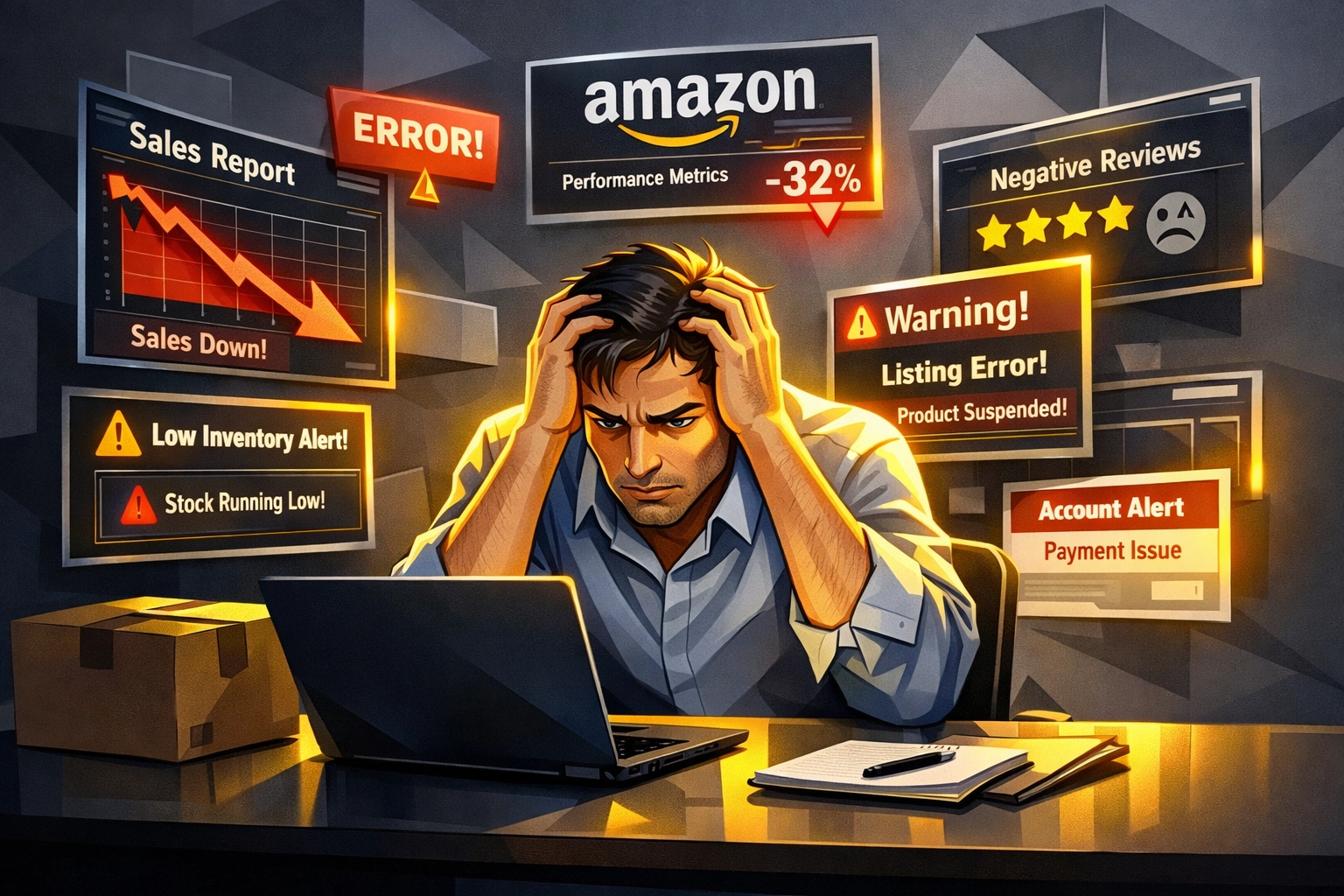
5.11 Tactical came to us with a problem we see constantly: they'd hit the ceiling of what one internal person or a small team could manage effectively.
Their challenges looked like this:
- Fragmented advertising strategy across Sponsored Products, Brands, and Display with no cohesive targeting approach
- Listing optimization happening reactively instead of proactively based on data
- No systematic approach to product launches: new SKUs were essentially copy-paste jobs
- Inventory planning based on gut feel rather than demand forecasting
- Lost revenue from reimbursement gaps and unresolved account issues
Sound familiar? This is what happens when brands try to scale Amazon operations without proper amazon account management services. You're not necessarily doing things wrong: you're just drowning in the volume of tasks required to compete at the next level.
The 4-Pillar Amazon Agency Framework for Sustainable Scaling
Here's the framework we implemented for 5.11 Tactical. This isn't theory: this is the exact playbook we use for brands doing $500K to $50M+ on Amazon.
Pillar 1: Data-Driven Listing Architecture
Most brands treat Amazon listing optimization as a one-and-done task. Wrong approach.
We rebuilt 5.11 Tactical's catalog using what we call Conversion Architecture: a systematic method that treats every listing element as a conversion lever with measurable impact.
The Process:
Phase 1: Audit and Prioritize (Week 1)
- Analyzed all 200+ SKUs using bulk analysis tools to identify conversion rate outliers
- Used Amazon's Search Query Performance data to find high-traffic, low-conversion keywords
- Identified 47 priority listings accounting for 73% of revenue but underperforming on CVR
Phase 2: Content Overhaul (Weeks 2-6)
- Rewrote titles using target keyword research combined with competitor gap analysis
- Created A+ Content templates specifically designed for their buyer personas (law enforcement, outdoor enthusiasts, tactical professionals)
- Implemented video content on top 30 SKUs showing product functionality in real-world scenarios
- Added lifestyle imagery showing products in use, not just white background shots
Phase 3: Continuous Testing (Ongoing)
- A/B tested main images using Amazon's Manage Your Experiments tool
- Tested bullet point order and content emphasis
- Monitored Voice of Customer dashboard for emerging pain points and objections
The Results:
- Average conversion rate increased from 11.2% to 18.7% across priority listings
- Organic ranking improved for 200+ high-value keywords
- Reduced reliance on paid traffic by 31% while maintaining sales velocity
The key insight? Amazon listing optimization isn't about stuffing keywords: it's about systematically testing what moves the conversion needle for your specific audience.
Want to see how proper listing architecture impacts your bottom line? Check out our guide on common scaling mistakes brands make without an agency.
Pillar 2: Precision Advertising System
This is where most brands burn cash. 5.11 Tactical was spending $85K monthly on Amazon ads with a 2.8 ROAS. Not terrible, but not competitive for sustainable growth.
We implemented what we call the Three-Tier Targeting Framework: our proprietary amazon ads management system that balances harvesting demand (bottom-funnel) with creating it (top-funnel).
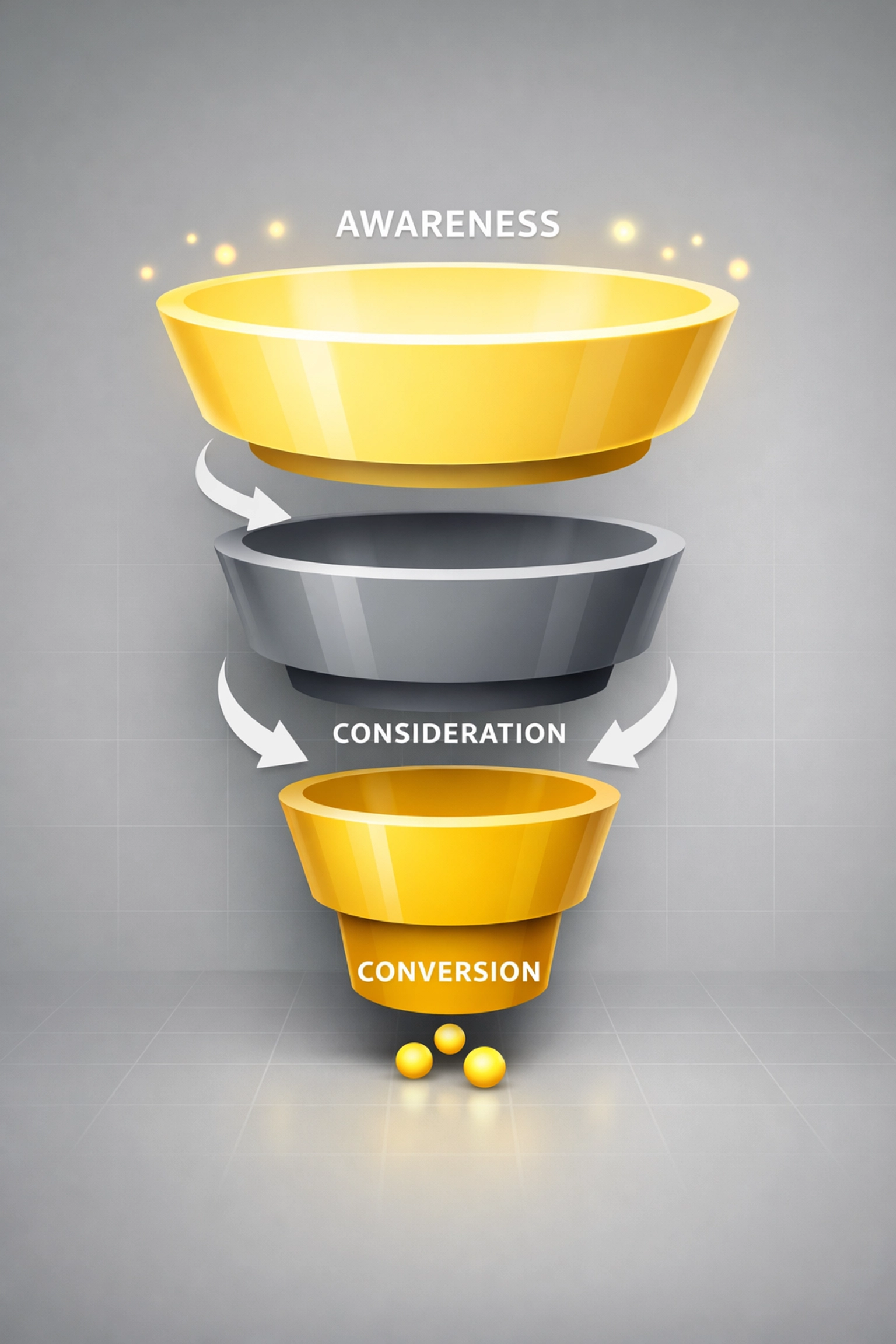
Tier 1: High-Intent Harvesting
- Exact match campaigns targeting branded and high-purchase-intent keywords
- Product targeting campaigns going after competitor ASINs with worse reviews or price points
- Remarketing campaigns using Sponsored Display to recapture cart abandoners
- Target ROAS: 4.5-6.0x
Tier 2: Consideration Expansion
- Phrase and broad match campaigns with aggressive negative keyword sculpting
- Category targeting using Sponsored Display to reach shoppers browsing related products
- Audience targeting based on lifestyle and interest signals (outdoor recreation, professional tactical)
- Target ROAS: 3.0-4.0x
Tier 3: Awareness Building
- Amazon DSP campaigns targeting competitor brand audiences
- Video ads showcasing product differentiation
- Sponsored Brands campaigns focusing on brand story, not individual products
- Target ROAS: 1.8-2.5x (with longer attribution windows)
Campaign Structure Changes:
- Went from 14 campaigns to 87 highly segmented campaigns
- Implemented daily bid optimization based on time-of-day performance data
- Created campaign-level budgeting tied to inventory levels (reducing spend on low-stock items automatically)
The Results:
- Overall ROAS improved from 2.8x to 5.3x
- Cost per acquisition dropped 41%
- Ad spend increased to $127K monthly but generated 347% more revenue
- Organic rank improvements reduced required ad spend per unit sold
This is the power of working with an experienced amazon advertising agency: you're not just running ads, you're engineering a self-optimizing system that gets smarter over time.
Pillar 3: Strategic Inventory and Operational Excellence
Here's something most sellers don't realize: inventory management is a growth strategy, not just a logistics function.
5.11 Tactical was consistently running out of stock on their best-sellers, killing their ranking momentum and handing sales to competitors. Even worse, they had thousands of dollars in unrecovered reimbursements from Amazon errors.
Demand Forecasting System:
- Implemented 90-day rolling forecasts based on historical sales data, seasonality, and promotional calendar
- Connected forecasting to PO generation with automatic lead-time adjustments
- Built buffer stock calculations for A-priority SKUs to prevent stockouts during ranking pushes
Amazon FBA Optimization:
- Audited FBA fees and identified $18K in annual savings through case pack optimization
- With Amazon ending their prep services in 2026, we helped them establish a reliable amazon fba prep service partnership for their expanded product line
- Created standard operating procedures for shipment creation to reduce receiving delays
Amazon Reimbursement Recovery:
- Conducted comprehensive amazon reimbursement audit covering 18 months of transaction history
- Recovered $47,000 in lost or damaged inventory reimbursements
- Implemented ongoing monitoring for customer return discrepancies, warehouse damage, and fee errors
- Set up systematic case escalation protocols for denied claims
The Results:
- Stockout rate decreased from 23% to 4%
- Recovered reimbursements added 3.2% to net profit margin
- Improved IPI score from 420 to 780, unlocking additional storage capacity
Proper amazon brand management means treating operational excellence as a competitive advantage. When you're in stock and your competitor isn't, you don't just get that sale: you potentially get that customer for life.

Pillar 4: Proactive Account Health and Growth Protection
This pillar saved 5.11 Tactical an estimated $250K in prevented revenue loss.
Amazon's enforcement has gotten significantly stricter in 2025-2026. Policy violations, ASIN suspensions, and account health issues can tank your business overnight if you don't have proper amazon seller support escalation protocols.
Account Health Monitoring:
- Weekly account health reviews checking for policy warnings, customer service defects, and IP complaints
- Proactive documentation of supply chain, authenticity certificates, and compliance records
- Quarterly policy compliance audits as Amazon updates terms of service
Strategic Issue Resolution:
- When a listing variation received a "Used Sold as New" complaint, we had it resolved in 48 hours using our established escalation process with Amazon Seller Support
- Prevented a potential catalog-wide suspension by proactively addressing an emerging pattern in one product category
- Maintained perfect account health score despite 10x increase in order volume
Growth Initiatives:
- Managed Brand Registry optimization including expanded A+ Content permissions
- Coordinated with Amazon's account management team for promotional opportunities
- Positioned brand for Vendor Central invite (accomplished Q3 2026)
The Results:
- Zero account suspensions or significant listing suppressions across 18 months
- Maintained eligibility for all promotional tools (Lightning Deals, Coupons, Prime Day)
- Protected brand equity by keeping account health above 250 (well above 200 threshold)
This is perhaps the most undervalued aspect of professional amazon account management services. You're not just paying for someone to run ads or update listings: you're insuring your business against catastrophic disruption.
The Results: From Good to Dominant in 18 Months
Let's talk numbers. Here's what systematic, framework-driven amazon agency management delivered for 5.11 Tactical:
Revenue Growth:
- Month 1 baseline: $427K in monthly revenue
- Month 18: $1.91M in monthly revenue
- Year-over-year growth: 347%
Profitability Improvements:
- Advertising ROAS: 2.8x → 5.3x
- Net margin improvement: 6.2 percentage points (from recovered reimbursements and ad efficiency)
- Cost per acquisition: decreased 41%
Market Position:
- Category ranking: Moved from #8 to #2 in primary category
- Owned 11 of top 15 Best Seller rankings in tactical pants category
- Organic traffic increased 230%
Operational Metrics:
- Stockout rate: 23% → 4%
- Average conversion rate: 11.2% → 18.7%
- IPI Score: 420 → 780
But here's what really matters: this growth is sustainable. We're not talking about a flash sale spike or seasonal bump. This is systematic improvement across every growth lever Amazon offers.
How to Apply This Framework to Your Brand
You don't need to be 5.11 Tactical's size to benefit from this approach. Whether you're doing $50K or $5M monthly, these principles scale.
If you're currently doing this in-house:
Start by auditing which pillar is your weakest link. You can't optimize everything at once. Most brands we work with have one of these problems:
- Weak listings (low conversion rates relative to competitors)
- Inefficient advertising (ROAS below 3.5x or ACoS above 28%)
- Inventory chaos (frequent stockouts or excess dead stock)
- Reactive account management (constantly fighting fires)
Focus on systematizing that one pillar first. The framework works because each pillar reinforces the others: better listings improve ad performance, better ad performance improves ranking, better ranking reduces required ad spend, and so on.
If you're considering an agency:
Look for partners who demonstrate systematic thinking, not just tactical execution. Ask potential agencies:
- "Walk me through your process for identifying which listings to optimize first"
- "How do you structure advertising campaigns for brands in my revenue range?"
- "What's your protocol for preventing account health issues before they become problems?"
- "Show me your approach to demand forecasting and inventory planning"
If they can't articulate a framework: just tactics: keep looking. Tactics are commoditized. Frameworks drive lasting competitive advantage.
Want to understand if an agency is right for your situation? We broke down the in-house vs agency decision framework here.

The Hidden Cost of "Good Enough"
Here's the reality 5.11 Tactical faced: every month they stayed at "good" was a month their competitors could have implemented these same strategies and claimed their market position.
Amazon rewards momentum. The brands that dominate categories in 2026 won't be the ones with the best products: they'll be the ones with the best systems for capturing and converting demand at scale.
If you're reading this and thinking "we're doing okay," ask yourself: are you growing fast enough to defend your position when a well-funded competitor enters your space with proper agency support?
The framework we used for 5.11 Tactical isn't secret. It's systematic application of Amazon's own tools and best practices, combined with rigorous testing and operational discipline. But most brands don't have the bandwidth, expertise, or objectivity to execute it consistently.
That's where the right amazon agency partnership makes the difference between good and dominant.
Your Next Move
Scaling on Amazon in 2026 requires more than adding products or increasing ad spend. It requires a systematic framework that turns every aspect of your Amazon presence into a competitive advantage.
The 4-Pillar Framework: Listing Architecture, Precision Advertising, Operational Excellence, and Proactive Account Health: isn't just what worked for 5.11 Tactical. It's the foundation for sustainable Amazon dominance across any category.
Whether you implement this internally or partner with an agency, the most important step is getting started. Audit your current approach against these four pillars. Identify your weakest link. Build a system to fix it.
Because in 18 months, you'll either be a case study in category dominance: or you'll be reading case studies about your competitors.
Want to explore how this framework could work for your brand? Learn more about our proven approach to Amazon brand management or check out how an advertising agency can triple your ROAS.
The brands that win on Amazon in 2026 won't be the ones that work harder: they'll be the ones that work smarter with proven systems. Which side of that line will you be on?