

If you're scaling on Amazon in 2026, you've probably felt it: the platform is no longer just complex. It's an entirely different beast than it was even two years ago.
AI shopping assistants are rewriting how customers discover products. Advertising now spans Prime Video, DSP campaigns, and full-funnel attribution models. Compliance standards are tightening. And if you're trying to manage all of this in-house while also running your actual business? You're spread too thin.
Here's what we'll cover:
- 10 concrete reasons why scaling brands are partnering with Amazon agencies in 2026
- How to evaluate and choose the right amazon agency for your specific needs
- Red flags to avoid when vetting potential partners
Let's dive in.
1. Amazon Advertising Is Now a Full-Time Specialty (And It's Only Getting More Complex)
Remember when Sponsored Products campaigns were enough to drive sales? Those days are over.
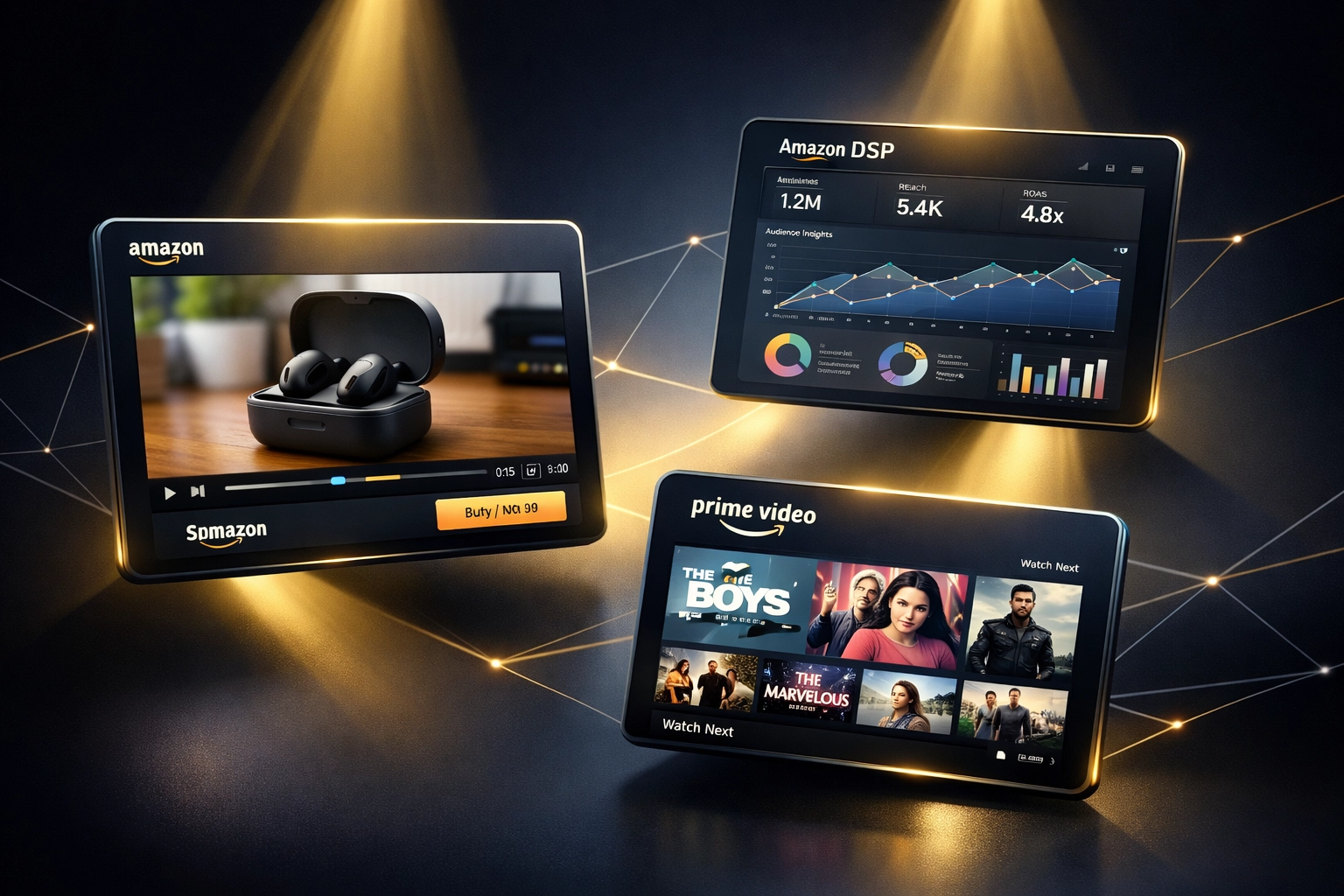
In 2026, competitive amazon ads management requires expertise across multiple ad formats and platforms:
- Amazon DSP campaigns that reach audiences on and off Amazon using first-party data
- Sponsored Brand Video placements optimized for mobile-first shoppers
- Prime Video shoppable ads that turn entertainment into commerce
- Full-funnel attribution modeling that connects top-of-funnel awareness to bottom-line sales
- AI-powered bidding optimization that adjusts in real-time based on competitor activity
The truth? Most in-house teams don't have the bandwidth to master all of these channels while also managing day-to-day operations. An experienced amazon advertising agency lives and breathes these platforms daily: they know what works, what's changing, and how to allocate budget for maximum ROI.
Here's the thing: If you're still running manual Sponsored Products campaigns without DSP, video, or full-funnel strategies, you're leaving money on the table. Your competitors aren't.
2. Listing Optimization Now Includes AI Shopping Assistant Readiness
Your product listings aren't just competing for customer attention anymore. They're competing for Amazon's Rufus AI recommendation system's attention.
In 2026, amazon listing optimization means structuring your content so AI assistants can:
- Parse and understand your product features through structured data
- Respond accurately to natural language queries and voice shopping requests
- Prioritize your products in AI-generated shopping recommendations
- Surface your listings in semantic search results (not just exact keyword matches)
This requires a fundamentally different approach to listing creation:
Traditional Optimization (2023)
- Keyword stuffing in bullet points
- Generic product descriptions
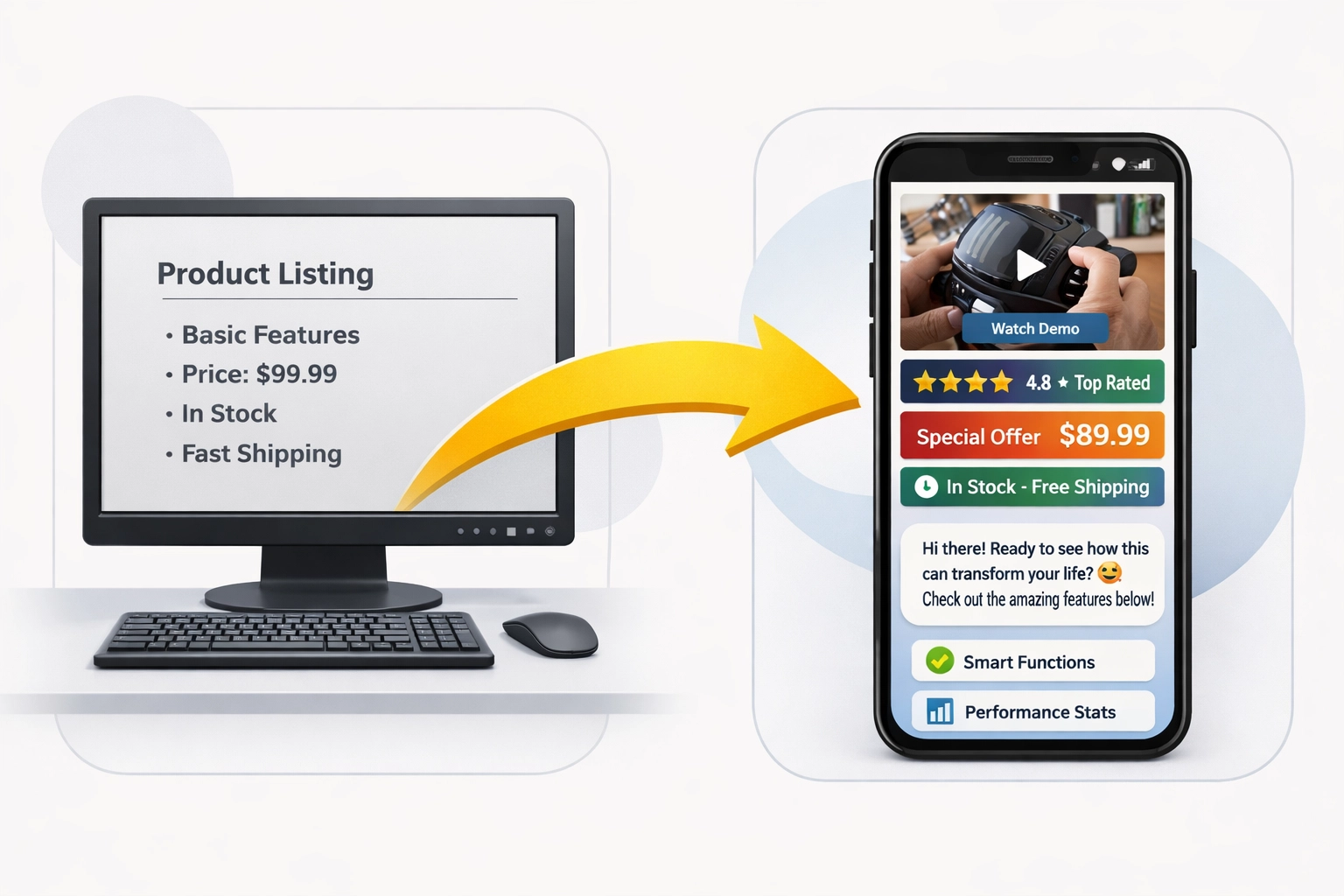
- Desktop-first formatting
AI-Ready Optimization (2026)
- Natural language that answers questions conversationally
- Schema markup and structured data for AI parsing
- Video and A+ content that provides context
- Mobile-first design with scannable formatting
- Backend keyword strategies aligned with semantic search intent
Most brands don't have the technical expertise to implement these changes effectively. An amazon account management services partner does: and they're monitoring algorithm updates in real-time to adjust your listings accordingly.
3. You Need Amazon Marketing Cloud Insights (But Don't Have Time to Learn It)
Amazon Marketing Cloud (AMC) is a game-changer for brands that know how to use it. But here's the catch: it's complex, data-heavy, and requires analytics expertise most teams don't have.
AMC allows you to:
- Build custom audience segments based on shopping behavior across Amazon
- Track full-funnel customer journeys from awareness to conversion
- Measure incrementality and true advertising impact
- Create lookalike audiences based on your best customers
- Optimize campaigns based on deeper insights than standard reports provide
The problem? Setting up AMC correctly, querying the data, and translating insights into actionable campaign changes is a full-time job. An agency with AMC expertise can unlock these insights without requiring you to become a data scientist.
4. Compliance and Policy Enforcement Are Tighter Than Ever
Amazon's compliance standards have tightened significantly in 2026. From product authenticity requirements to prep service changes to stricter advertising policies, one misstep can result in:
- Listing suppressions
- Account suspensions
- Lost Buy Box eligibility
- Advertising account restrictions
When compliance issues arise, you need amazon seller support escalation expertise. Not just someone who can open a case: someone who knows how to navigate Seller Support, escalate to the right teams, and get resolutions quickly.
Professional amazon brand management includes:
- Proactive compliance monitoring to catch issues before Amazon does
- Immediate response protocols when problems arise
- Relationship management with Amazon account teams
- Documentation strategies that protect you during audits
Can you handle this in-house? Sure. But do you want to risk your revenue stream while you figure it out? Most brands don't.
5. FBA Prep Service Changes Require New Infrastructure
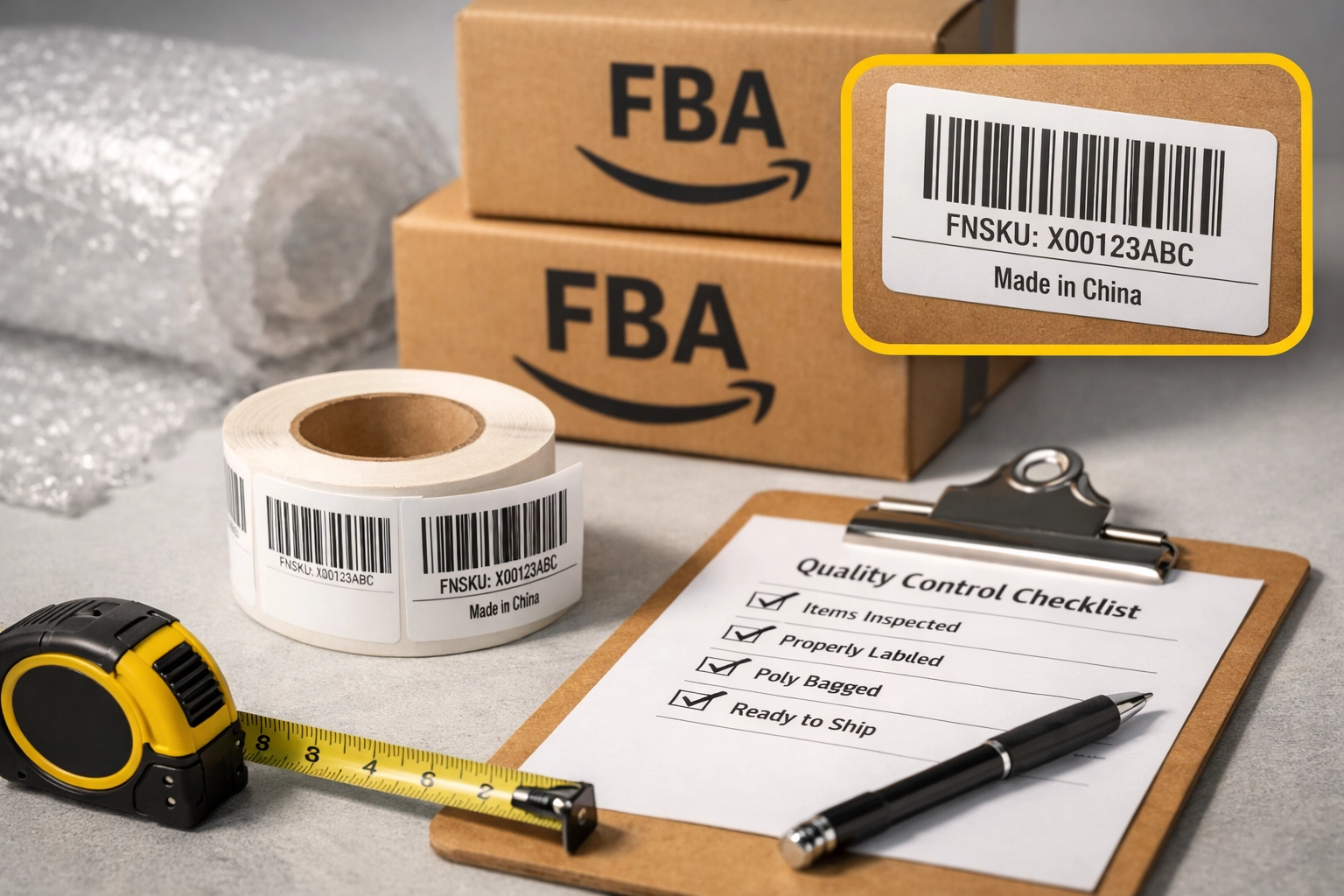
Amazon's prep service changes in 2026 mean brands need alternative solutions: fast. Whether you're transitioning to third-party prep centers or bringing prep in-house, you need expertise in:
- Amazon FBA prep service requirements and standards
- Compliance documentation and labeling
- Quality control processes
- Cost optimization across different prep options
- Inventory routing and shipment planning
This is a complex transition that impacts your entire supply chain. An agency partner can help you evaluate options, vet prep providers, and implement new processes without disrupting operations.
6. Reimbursement Recovery Isn't Just "Nice to Have": It's Profit You've Already Earned
Amazon makes mistakes. A lot of them. Inventory gets lost, damaged, or incorrectly disposed of. Returns get processed incorrectly. Fees get overcharged. And most brands? They never recover that money.
An amazon reimbursement audit service systematically reviews your account for:
- Lost or damaged inventory
- Incorrect fee charges
- Missing customer returns
- Disposal errors
- Overcharged storage fees
The average brand is owed thousands of dollars in reimbursements they don't know about. Agencies with dedicated reimbursement specialists can recover this money: and they typically work on a contingency basis, so you only pay when they recover funds.
That's found money that goes straight to your bottom line.

7. You Can't Monitor 24/7 (But Your Competition Can)
Amazon is a 24/7 marketplace. Things happen at 2 AM on a Sunday:
- Competitors hijack your Buy Box
- Listings get suppressed
- Inventory runs out unexpectedly
- Advertising campaigns exhaust budgets
- Review bombs drop your rating
If you're managing your account in-house during business hours only, you're vulnerable to problems that snowball overnight. By the time you log in Monday morning, you've lost sales, rankings, and momentum.
Professional agencies monitor accounts around the clock. They catch issues in real-time and respond immediately: before small problems become expensive disasters.
8. Strategic Account Growth Requires Cross-Channel Expertise
Scaling on Amazon in 2026 isn't just about Amazon anymore. It's about integrating Amazon into your broader commerce strategy:
- Running coordinated campaigns across Amazon, Google, and social media
- Synchronizing inventory across multiple sales channels
- Building brand equity that translates to Amazon conversions
- Using Amazon data to inform product development
- Creating unified customer experiences across touchpoints
This requires expertise beyond Amazon-specific tactics. The best agencies understand e-commerce holistically and can help you build a unified commerce infrastructure that maximizes efficiency and growth.
9. Access to Tools and Technology You Can't Afford Independently
Professional agencies invest heavily in tools and technology:
- Advanced analytics platforms ($500-$2,000/month)
- Listing optimization software ($300-$1,000/month)
- Inventory forecasting tools ($400-$1,500/month)
- Review monitoring systems ($200-$800/month)
- Repricing and automation software ($500-$2,000/month)
That's potentially $5,000-$10,000 per month in tools alone: before you've paid a single team member. When you partner with an agency, you get access to their entire tech stack without the direct investment.
Plus, they know how to actually use these tools effectively. Software is only valuable if someone knows how to interpret the data and take action on it.

10. You Need Specialized Expertise That's Impossible to Build In-House
Here's the reality: Building an in-house team with deep expertise in Amazon advertising, listing optimization, compliance, operations, analytics, and strategic planning would require:
- Multiple full-time specialists ($60K-$120K each)
- Benefits and overhead (add 30-40%)
- Ongoing training and development
- Management time and oversight
- Turnover risk and knowledge loss
For most brands, that's a $300K-$500K+ annual investment just in personnel costs: not including tools, software, or the learning curve while your team figures things out.
An agency gives you access to a full team of specialists for a fraction of that cost. And they're already experts: no learning curve required.
As we've covered before, the math strongly favors agency partnerships for most scaling brands.
How to Choose the Right Amazon Agency for Your Brand
Not all agencies are created equal. Here's what to look for: and what to avoid.
What to Look For ✅
1. Comprehensive Account Audits
A quality agency starts with a thorough audit that reviews:
- Current account health and compliance status
- Advertising structure and performance
- Listing optimization opportunities
- Operational inefficiencies
- Quick wins vs. long-term strategic opportunities
If an agency promises results without first understanding your current state, that's a red flag.
2. Real-Time Analytics and Transparent Reporting
You should have access to:
- Live dashboards showing key metrics
- Regular performance reports with clear insights
- Attribution across all channels (not just Amazon)
- ROI calculations that connect spend to actual revenue
3. Expertise in AI-Driven Optimization
In 2026, agencies must demonstrate expertise in:
- AI shopping assistant optimization (Rufus, etc.)
- Automated bidding strategies
- Machine learning-based inventory forecasting
- Predictive analytics for demand planning
4. Proven Track Record with Similar Brands
Ask for case studies from brands:
- In your category
- At your scale (revenue, SKU count)
- With similar challenges you're facing
Generic "we've helped lots of brands" claims aren't enough. You want specific, relevant examples.
5. Clear Communication and Partnership Approach
The best agencies operate as extensions of your team:
- Assigned account managers who know your business
- Regular strategy calls and planning sessions
- Proactive communication about opportunities and issues
- Collaborative approach rather than "we'll handle everything"
Red Flags to Avoid ❌
1. Guarantees of Specific Results
No legitimate agency can guarantee specific sales numbers or rankings. Amazon has too many variables outside anyone's control. Be wary of promises that sound too good to be true.
2. Cookie-Cutter "Packages" That Don't Account for Your Business
Your business is unique. If an agency is trying to sell you the exact same package they sell everyone else, they're not actually customizing strategy to your needs.
3. Lack of Amazon Marketing Cloud Experience
AMC is critical for advanced analytics in 2026. If an agency doesn't mention AMC capabilities or seems unfamiliar with it, they're behind the curve.
4. No Clear Performance Metrics or KPIs
You should know exactly how success will be measured:
- Organic rank growth
- Advertising Cost of Sales (ACoS) and Total ACoS (TACoS)
- Conversion rate improvements
- Buy Box win percentage
- Review velocity and rating improvements
5. Poor Response Times or Communication
If they're slow to respond during the sales process, they'll be slow to respond when you're a client. Communication matters: especially when issues arise.
6. No Experience with Your Product Category
Some categories (supplements, topicals, children's products) have specific compliance requirements. Make sure your agency has relevant category expertise.
Key Performance Indicators to Track with Your Agency
Once you've partnered with an agency, monitor these metrics closely:
Advertising Performance
- ACoS (Advertising Cost of Sales)
- TACoS (Total Advertising Cost of Sales)
- ROAS (Return on Ad Spend)
- Impression share and lost impression share
Organic Performance
- Organic rank for target keywords
- Organic session growth
- Organic conversion rate
- Buy Box win percentage
Revenue and Profitability
- Total revenue growth
- Profit margins (after all fees and costs)
- Inventory turnover rate
- Customer lifetime value
Brand Health
- Review count and average rating
- Review response rate and speed
- Brand search volume
- Repeat purchase rate
Your agency should provide clear reporting on all of these metrics: and more importantly, they should be improving over time.
The Bottom Line
Scaling on Amazon in 2026 requires expertise, technology, and constant attention that most brands can't maintain in-house. Between AI-driven optimization, full-funnel advertising, compliance complexity, and operational challenges, the platform has evolved beyond what a single person or small team can effectively manage.
The brands winning on Amazon this year aren't doing it alone. They're partnering with specialized agencies that bring:
- Deep platform expertise across advertising, operations, and strategy
- Access to tools and technology that would cost thousands per month independently
- 24/7 monitoring and immediate response to issues
- Cross-channel integration that maximizes overall commerce performance
- Proven playbooks that accelerate growth without the learning curve
The question isn't whether you need help: it's whether you're getting the right help from the right partner.
If you're making common scaling mistakes without realizing it, or if you're spending more time managing Amazon than growing your actual business, it's time to evaluate agency partnerships.
The right partner doesn't just manage your account: they become an extension of your team, driving strategic growth while you focus on what you do best: building great products and growing your brand.
Ready to explore what professional Amazon management could do for your brand? Let's talk.
#AmazonAgency #AmazonAdvertising #AmazonFBA #EcommerceGrowth #AmazonSeller #AmazonPPC #BrandManagement #AmazonOptimization #EcommerceStrategy #Amazon2026