
Contingency Fee Recovery Services vs. In-House Deduction Audits
The difference is who does the work and who keeps the money: a contingency-fee recovery service is an outside firm that files a seller’s Amazon reimbursement claims and keeps a share of what Amazon pays, while an in-house deduction audit is the seller’s own staff doing the same review and keeping all of it. The in-house route fits a seller with someone who can run the review every settlement cycle; the contingency route fits a seller without that person. Both chase the same errors: inbound shipments received short, fees charged on the wrong size or weight, and units lost or damaged in a fulfillment center. The contingency model costs nothing up front, but it gives an outside party access to the account and a cut of every recovery. The in-house model keeps the money and the data inside the business, but it needs time, the reports and a filing calendar. Amazon now handles part of this work itself. Since November 1, 2024, it has reimbursed many items lost in its fulfillment centers without a claim, though sellers still have to file when it doesn’t. The claim windows are also short, so a review that runs once or twice a year misses money that can’t be claimed later. Whichever model a seller picks, the review has to run every cycle.
Last Updated: October 24, 2026
- • What Counts as a Deduction Audit on Amazon, and Why It Never Runs Itself
- • Why Treating Reconciliation as a One-Time Cleanup Fails
- • Where Deductions Actually Hide
- • How a Contingency-Fee Recovery Service Is Actually Built
- • How an In-House Deduction Audit Actually Runs
- • Where the Deadline Clock Actually Starts
-
• Frequently Asked Questions
- • How do contingency fee recovery services charge for Amazon audits?
- • What software or tools are required to perform an effective in-house Amazon deduction audit?
- • Is it safe to grant a third-party service user permissions in my Amazon Seller Central account?
- • How long does it take to recover funds from an Amazon claim?
- • Can a brand use a contingency recovery service while also conducting its own internal spot-checks?
- • What is the difference between an FBA reimbursement claim and a chargeback?
- • Where This Leaves the Channel
What Counts as a Deduction Audit on Amazon, and Why It Never Runs Itself

Amazon’s fees, reimbursements and chargebacks take real hours to track. Handling that tracking for a brand is part of Amazon Account Management. The ledger never balances itself. Every line nobody checks is a small leak, and someone has to own the job of watching for it.
An in-house deduction audit means a brand’s own staff check Amazon settlement reports against internal records, line by line, and file a claim on every mismatch. It also means answering chargebacks on time, which managing Amazon chargebacks and fee shortages covers. It’s routine work, not an occasional chore. If the team skips a cycle, the leaks pile up.
Why Treating Reconciliation as a One-Time Cleanup Fails
Treating reconciliation as a single annual sweep misreads what the ledger actually is. It is not a backlog to clear once. It is a live system that generates new discrepancies every settlement cycle.
Unclaimed reimbursements quietly eat margin, and nobody sees it happening. Firms that sell reimbursement audits publish their own estimates of how much goes unclaimed, but none come from Amazon, so treat any such figure with care. A one-time cleanup finds what’s already piled up. It does nothing about what piles up next month.
The Single-Sweep Trap
Some recovery offers are built around one big sweep: a large batch of old claims filed at once and shown as proof of value. That rewards a snapshot, not a process.
Amazon’s windows make a yearly sweep a poor fit. Claims for units lost or damaged in a fulfillment center must be submitted no later than 60 days after the item was reported lost or damaged, per Amazon’s announcement on Amazon’s U.S. Seller Forums, which took effect October 23, 2024. A sweep run months apart misses whole cycles of claims that can no longer be filed.
What Gets Missed Between Sweeps
Between sweeps, the gaps keep coming. Inbound shipments arrive short, fees get charged on the wrong size or weight, and customer returns don’t make it back to stock. Each one runs on its own clock, not the auditor’s.
This is really a resourcing question. The choice isn’t just cost versus savings. It’s where a brand puts its people: into learning Amazon’s reconciliation rules, or into the products and marketing that are its actual business. Choosing between automated and manual settlement audits only matters once that question is settled.
Where Deductions Actually Hide
Margin loss isn’t spread evenly across the ledger. It clusters in a few claim types.
Three categories come up again and again: inbound shipment shortages, fee overcharges, and lost or damaged inventory. Each has its own paper trail and its own filing window. Chargebacks sit beside them, on a much shorter clock.
| Discrepancy Type | Where It Originates | What an Audit Checks |
|---|---|---|
| Inbound Shipment Shortage | Units the brand shipped don’t match the units Amazon received | Shipment records and proof of ownership against Amazon’s received count, once the shipment is eligible for investigation |
| Fee Overcharge Error | Amazon measures or weighs a unit wrong, so it lands in a higher fee tier | Each fee line against the product’s real size and weight |
| Lost or Damaged Inventory | A unit is lost or damaged at a facility or by a carrier Amazon operates | What Amazon already reimbursed on its own, and what it missed |
| Chargeback | A buyer disputes a card charge with their bank, and the amount is taken back | Whether the order had tracking and proof of delivery, and whether the response went in on time |
Inbound Shipment Shortages
Inbound shortages happen when the units Amazon receives don’t match the units a brand shipped. The gap shows up as missing inventory, not as a line labeled error. Amazon’s Seller Central help page says Amazon requires two kinds of proof with every research request: proof the brand owned the inventory, and proof it was delivered.
The window here is longer. According to PrepVia (October 2026), an inbound claim must be filed no later than nine months after the verified delivery date, and only once the shipment shows as eligible for investigation. Amazon changes these windows, so check the current number in Seller Central before filing.
Fee Overcharges and Lost or Damaged Units
Fee overcharges work differently. Amazon measures or weighs a unit wrong, and the brand pays a higher fee than the product warrants. According to a reply on Amazon’s U.S. Seller Forums, a refund request for a wrong measurement must be made within 90 days of the date the fee was charged, and trade guides give the same number. Confirm that window in Seller Central before filing. Packaging and labeling charges hide in the same reports; see how to spot hidden packaging and labeling fees on settlement sheets.
Lost or damaged units are the third category. Amazon’s FBA reimbursement policy page says that if an FBA item is lost or damaged at a facility or by a carrier operated by or for Amazon, Amazon replaces it or reimburses the seller. Since November 1, 2024, Amazon has reimbursed fulfillment-center losses on its own, so a review now checks what Amazon paid and files only for what it missed. And since March 10, 2025, units lost before a sale are paid at the product’s manufacturing cost, per Amazon’s policy update on the U.S. Seller Forums. Enter your real cost in Seller Central’s Manage Your Manufacturing Cost tool, or Amazon uses its own estimate.
How a Contingency-Fee Recovery Service Is Actually Built
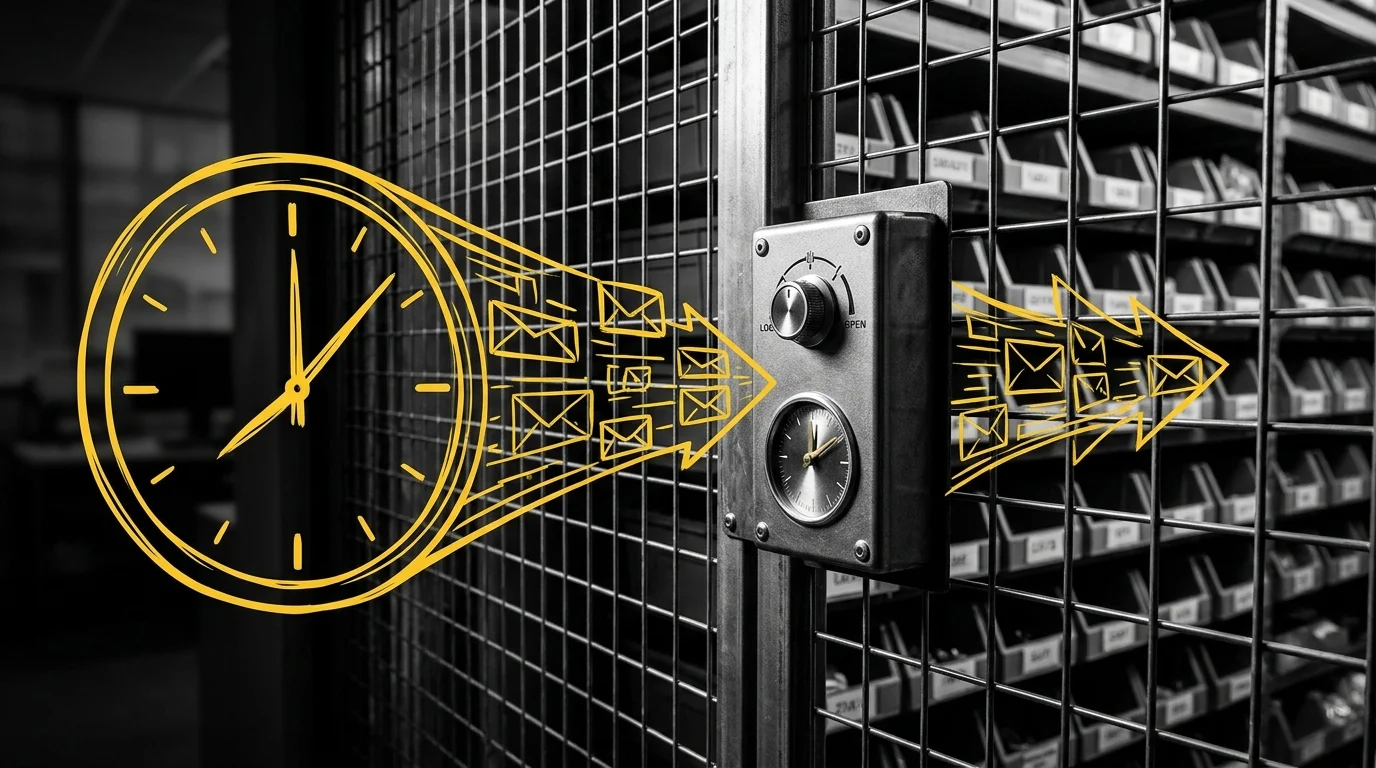
A recovery firm’s pitch usually leans on its track record. Good reviews and a long client list show the firm has filed claims. They don’t show it understands a brand’s margins. Amazon’s Service Provider Network lists vetted outside providers, but Amazon says it does not endorse any service provider, and a seller who uses one contracts directly with that provider.
| Model | Who Reviews the Data | Access Duration | Primary Constraint |
|---|---|---|---|
| Contingency-Fee Recovery Service | The provider’s claims staff, working from the brand’s settlement reports and inventory ledger | Set by the access the seller grants, which the seller can limit and remove | A share of every recovery, plus checking the provider’s work |
| In-House Deduction Audit | The brand’s own staff, working directly in Seller Central | None, since no outside party gets access | Someone has to run the review every cycle and know the filing windows |
| Hybrid Oversight | Internal staff run routine checks; a provider handles set claim types | Limited to the tools the provider needs for its claim types | A clear split so no claim type falls between the two |
Account Access and the Permissions Question
Granting a provider access to Seller Central raises an obvious question: how much control does that hand over, and for how long.
Amazon’s Seller Central help page says the access granted to a service provider is valid only for the service duration the seller selects, and that the provider’s access is automatically revoked after the expiry date.
That flow may be changing, since Amazon has been updating how sellers authorize outside providers. Check the current steps under User Permissions in Seller Central before granting access, and give a provider only the tools its work needs.
How an In-House Deduction Audit Actually Runs
Running the review in-house means the brand’s own staff do the line-by-line work. The team owns the account, the records and the filing calendar. That control is the appeal. It’s also the whole burden.
In practice, the monthly loop is simple to describe. Download the settlement report for each period. Amazon’s developer docs say the current one is the Flat File V2 settlement report, which replaced the older flat file and XML versions and is generated by Amazon each settlement period. Match fee lines against each product’s real size and weight. Check closed inbound shipments against what you sent. Compare lost and damaged units against what Amazon already paid. Then file what’s left before each window closes.
Why In-House Reviews Quietly Stop Working
An in-house review often starts strong and fades once the person running it gets pulled onto other work. Reconciliation has no deadline pressure of its own, so it loses to whatever does. The claims still expire on schedule. Watching the dashboard isn’t the same as knowing what the numbers call for.
Where the Deadline Clock Actually Starts
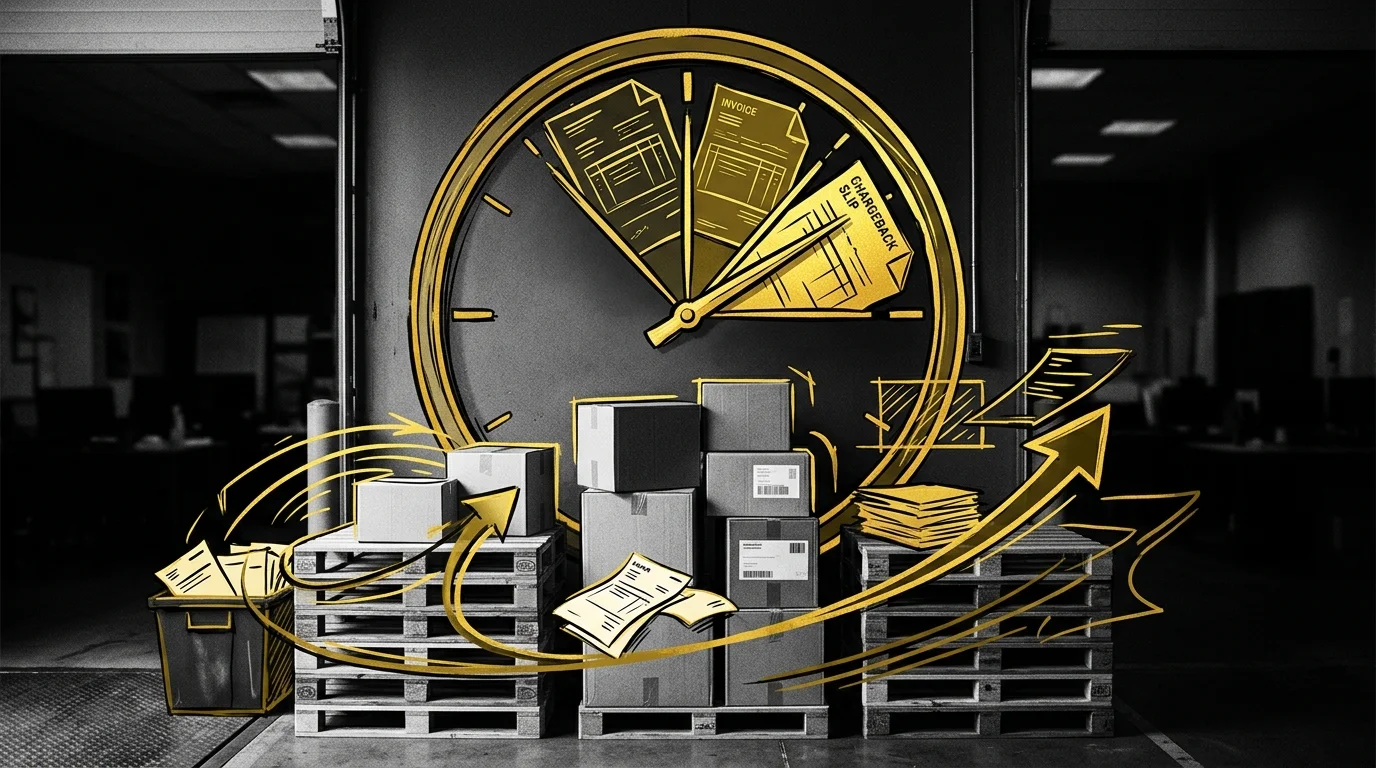
Each claim type starts its clock at a different event. Missing that start date is how windows close without anyone noticing.
| Claim Type | Governing Window | Where Responsibility Sits |
|---|---|---|
| Inbound Shipment Shortage | About nine months after verified delivery, per trade sources; file once the shipment is eligible for investigation | Whoever matches shipped versus received units after each shipment closes |
| Fee Overcharge Error | 90 days from the date the fee was charged, per trade sources | Whoever checks charged fees against each product’s real size and weight |
| Lost or Damaged FBA Inventory | 60 days after Amazon reports the unit lost or damaged; fulfillment-center losses are often paid automatically | Whoever checks what Amazon paid and files for what it missed |
| Chargeback | 7 calendar days from Amazon’s chargeback email | Whoever watches the account’s email and answers with the order’s shipping details |
Chargebacks Run on the Shortest Clock
Chargebacks are the odd one out. They aren’t reimbursement claims. A buyer disputes a card charge with their bank, Amazon emails the seller, and Amazon’s Sell on Amazon blog says to respond within seven calendar days of that email. A review that runs once a month can’t keep up with a clock that short. So whoever handles chargebacks has to watch daily, whichever model runs the rest.
Frequently Asked Questions
Those mechanics leave a few practical questions. Here are straight answers.
How do contingency fee recovery services charge for Amazon audits?
They take a percentage of what Amazon actually pays out on the claims they file. No recovery, no fee. The rate is set in each provider’s contract, so compare it against what your own staff time would cost.
What software or tools are required to perform an effective in-house Amazon deduction audit?
You need the Flat File V2 settlement report, the Date Range transaction report under Reports > Payments, the inventory ledger, and a calendar that tracks each claim’s window. At low volume, a spreadsheet can handle it.
Is it safe to grant a third-party service user permissions in my Amazon Seller Central account?
It can be, if you limit what you grant. Give a provider only the tools its work needs, and remove access when the work ends. Amazon’s help page says provider access lasts only for the service duration you pick. A trade report says the invite process changed in August 2026, so check the current steps in Seller Central first.
How long does it take to recover funds from an Amazon claim?
Amazon’s Seller Central help page says reconciliation of shipped inventory usually takes 2 to 30 days, and in some cases up to 60. For a dimension correction, replies on Amazon’s U.S. Seller Forums say a remeasurement typically takes about 10 days, so track each request until it closes.
Can a brand use a contingency recovery service while also conducting its own internal spot-checks?
Yes. Internal spot-checks and a contingency service are not mutually exclusive, and running both can surface gaps either one misses alone. What matters is that the two efforts are coordinated rather than duplicated.
What is the difference between an FBA reimbursement claim and a chargeback?
An FBA reimbursement claim asks Amazon to pay for inventory that was lost, damaged or miscounted in its network. A chargeback starts when a buyer asks their bank to reverse a card payment. The seller answers with the order’s shipping details, and the bank decides.
Where This Leaves the Channel
Someone has to decide who reads the ledger.
That choice isn’t about cost alone. It’s about where a brand puts its limited people: into reconciliation know-how, or into the products and marketing that are its actual business.
Our position is simple. If a brand has someone who can own the review every settlement cycle, keep it in-house and keep the full recovery. If it doesn’t, a contingency service beats no review at all, as long as access stays limited. For brands that want an operator watching the whole account, see Amazon Account Management. To see what’s going unclaimed in your own settlement data, start with a free Amazon audit.