
Signals That Tell You to Pause Amazon Display Spend for Search
Amazon Display spend should be paused for search when it pushes whole-account TACoS upward. A high campaign-level ACoS alone does not justify a pause. Display is built to create awareness and future demand. Search campaigns such as Sponsored Products capture demand that already exists. Judging both by the same yardstick misreads what Display is designed to do. Total Advertising Cost of Sale, or TACoS, measures total ad spend against total revenue. Advertising Cost of Sale, or ACoS, measures one campaign’s spend against the sales that campaign directly drives. The signal that justifies a pause is a sustained, measurable rise in TACoS that coincides with Display activity. That rise should be judged only after the campaign has run long enough to show its effect. Three conditions support a pause decision. First, TACoS trends upward over a sustained window rather than a single reporting cycle. Second, the Display campaign shows no meaningful contribution to new-to-brand customer acquisition. Third, inventory or margin constraints make further ad investment unsupportable regardless of channel performance. The decision rests on whether total ad spend, measured against total revenue and margin, is moving in the wrong direction.
Last Updated: October 26, 2026
- • What Actually Happens When You Hit Pause on Amazon Display
- • Why Most Campaign-Level ACoS Panic Fails
- • The Hidden Cost of Treating Display Like Search
- • How a Premature Pause Erodes the Metrics You're Trying to Protect
- • Building the Measurement Framework TACoS Was Built to Support
- • Reading the Signals That Separate a Pause Decision From a Panic Reaction
-
• Frequently Asked Questions
- • What is considered a bad ACoS for Amazon Display ads that would justify pausing them?
- • Can pausing Amazon Display campaigns negatively affect Sponsored Products performance?
- • How long should a new Display campaign run before it is judged on profitability?
- • What optimizations should be tested before a Display campaign is paused?
- • Where the Decision Actually Belongs
What Actually Happens When You Hit Pause on Amazon Display
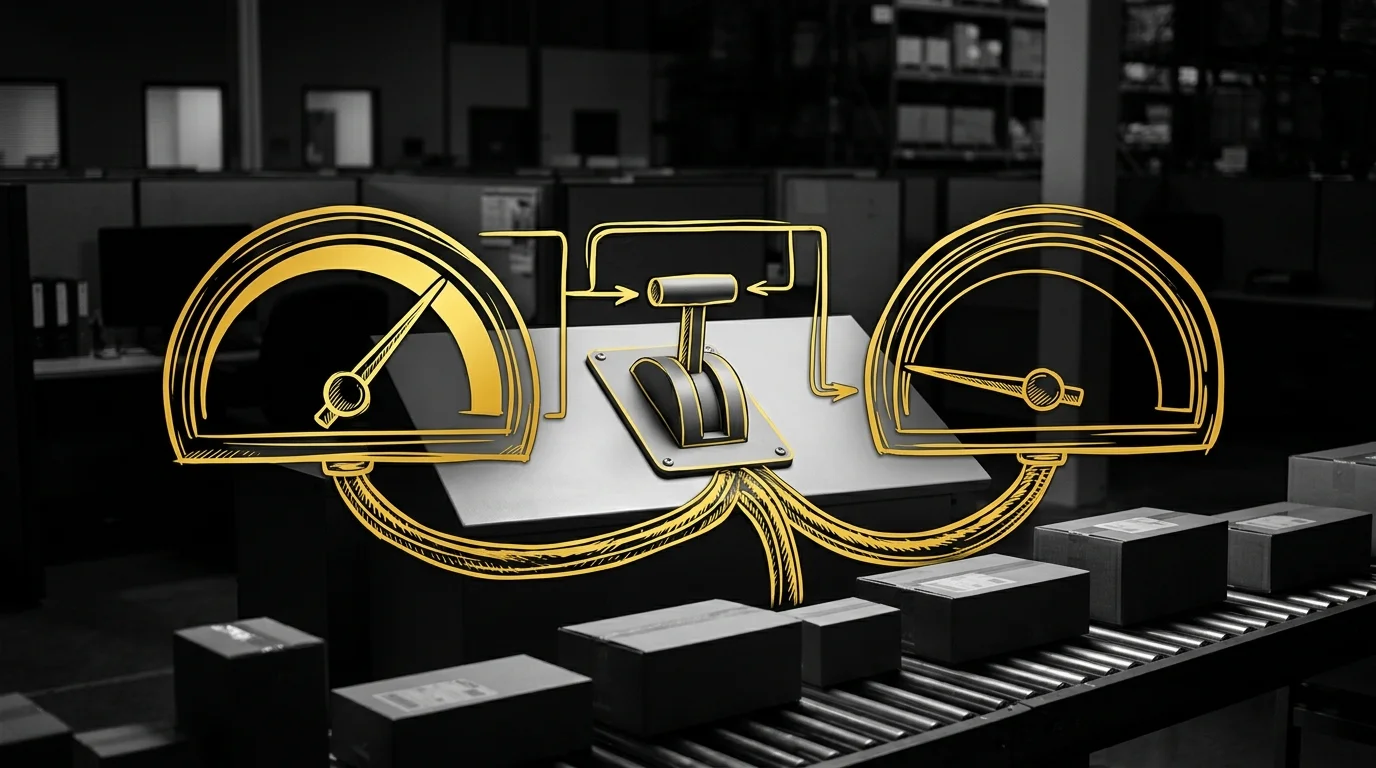
Pausing a campaign takes one click. Living with what that click sets in motion takes much longer.
A pause doesn’t quietly shelve the campaign for later. It stops the delivery data the campaign was building, and it cuts off a signal you were still reading.
What a Pause Costs Later
A restarted campaign may need time to get back to where it was. A pause also breaks the comparison you were running: the weeks before and after no longer line up, so any read on whether Display was working starts over.
That cost doesn’t show on the dashboard the day you pause. It shows up later, in what the campaign has to rebuild.
Why Most Campaign-Level ACoS Panic Fails
ACoS panic follows a predictable pattern: one number jumps, and the campaign gets paused before anyone checks what moved with it. But ACoS was never the main lever for Amazon growth. Advertising is one line in a channel P&L that also carries listing integrity, account health, and unauthorized seller activity, so tuning ACoS while those go unmanaged fixes the smallest part of a larger system.
A fair read of Display starts with how to judge whether display ads are worth the spend, which splits out what each ad type is actually built to do.
How Sponsored Products Skews the Comparison
Sponsored Products tilts the comparison further. Its ACoS will almost always read lower than Display’s, because it catches shoppers who are already searching for the product. The fair test is building a model of total ad spend versus margin, which weighs both ad types against the same bottom line.
The Hidden Cost of Treating Display Like Search
The real damage happens before the pause button is ever clicked. It happens when a brand applies a search-ad timeline to a Display campaign in the first place.
Each ad type needs its own clock. Sponsored Products can be read in near-term conversion data.
Sponsored Display needs a longer window. Amazon DSP, which reaches shoppers across and off Amazon, needs the longest, and it should be judged on account-level trends rather than a single ACoS reading.
Why an Awareness Channel Needs a Longer Clock
An Amazon Science study found that within the two-week attribution window, upper- and middle-funnel ad products show only 30–50% of their total effects, compared with 60–90% for lower-funnel products.
Read the other way, a Display campaign judged at the two-week mark is being judged on half of what it did, at most.
Fixing the Premature Pause
Patience alone doesn’t fix a premature pause.
Measuring against the right timeline does. For DSP, settle whether the brand is ready for DSP spend before launch, so a pause decision never rests on an account that wasn’t ready.
Before any pause, write down the TACoS level going in and what result would count as a failure. Then the call gets made against a plan set before the numbers came in.
How a Premature Pause Erodes the Metrics You’re Trying to Protect

A premature pause doesn’t just stop a weak campaign. It can also weaken the branded search and sales velocity the account depends on.
The Link Between Display Exposure and Branded Search
Display does real work even when nobody clicks it, and the clearest place that work shows up is in what shoppers go looking for afterward. A study in MIS Quarterly found that mere exposure to display advertising increases people’s propensity to search for the brand and the product. Some shoppers search actively; others take in information passively from sources that reach them anyway.
What Breaks in Sales Velocity After a Pause
A knee-jerk pause can also slow the sales that feed organic rank. The pause itself doesn’t touch rank, but if paid clicks were carrying a big share of a product’s sales, rank can drift once they stop. Keep an eye on organic rank and total units through any cut.
Building the Measurement Framework TACoS Was Built to Support
So if ACoS isn’t the lever, what is? The whole channel P&L, read through a few metrics that each answer a different question.
| Metric | What It Measures | Decision It Supports |
|---|---|---|
| Campaign ACoS | The efficiency of a single campaign against the sales it directly drove | Whether that specific campaign’s bid strategy or targeting needs adjustment, not whether to pause it outright |
| Whole-Account TACoS | Total ad spend measured against total revenue, paid and organic combined | Whether overall ad efficiency is moving in the wrong direction |
Read together, those two rows turn a pause decision into a P&L choice rather than a reaction to a single number.
Where New-to-Brand Metrics Fit Into the Picture
Even TACoS leaves a blind spot: neither it nor ACoS shows whether Display is bringing in customers the account didn’t already have. New-to-brand metrics point at that, though the label alone doesn’t prove the ad caused the purchase. Read that signal in the same review as TACoS, not as an afterthought.
Reading the Signals That Separate a Pause Decision From a Panic Reaction
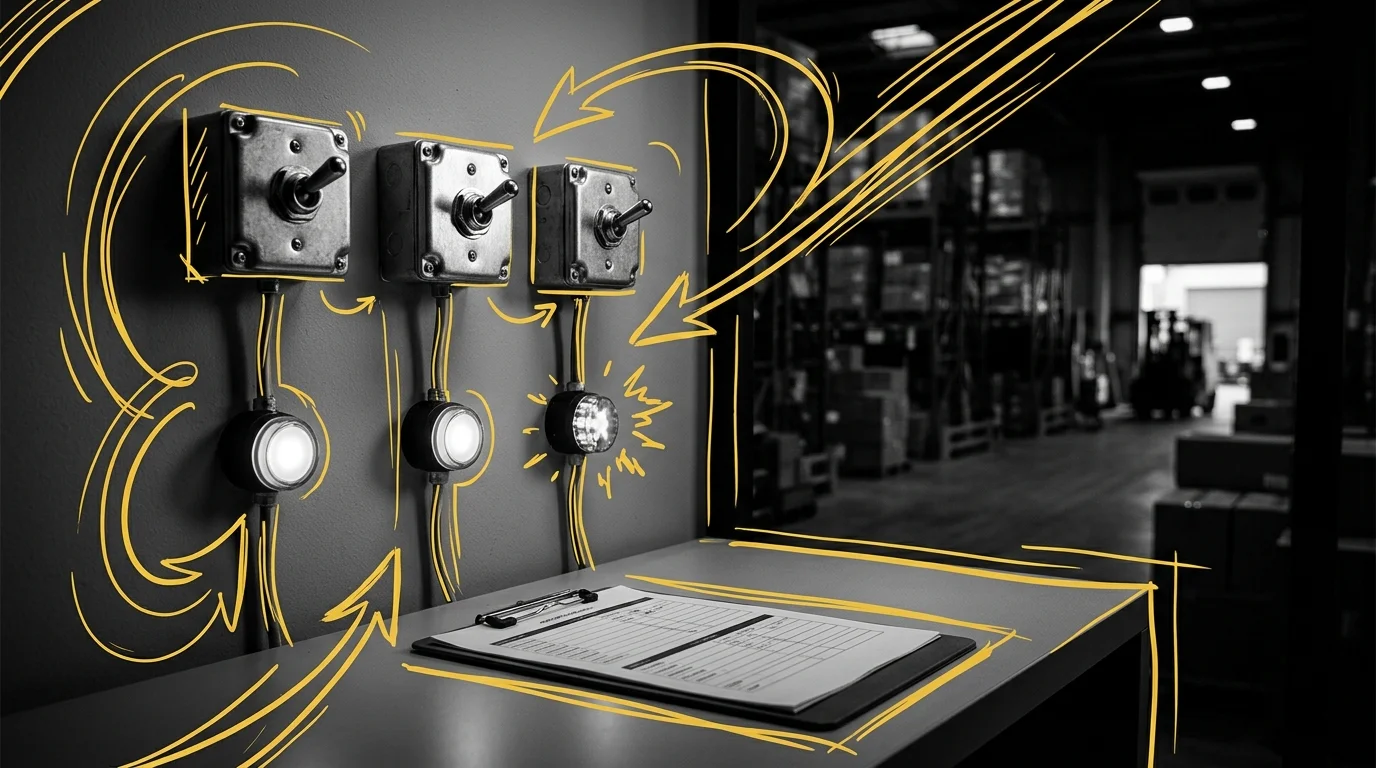
Telling a pause decision from a panic reaction comes down to a short list of signals, checked before anything gets touched. No single number on that list decides the outcome alone. Each one points to whether Display is the problem or something else is.
Checking Inventory and Launch Phase Before Anything Else
Inventory position comes first. A campaign cannot be judged on performance if stock constraints are about to throttle it regardless of what the ad does. If stock is running low, cut spend because of the stock and say so in the review, so nobody later reads that pause as proof Display failed.
Launch phase matters just as much. A new product is still building reviews and sales history, so don’t judge its Display campaign on a mature product’s timeline.
Running the TACoS Trend Before Touching the Pause Button
TACoS trend comes next, read over a sustained stretch rather than one reporting cycle. A single noisy week says nothing about whether the channel’s overall economics are moving.
If TACoS is rising, check when the rise began. A rise that started before Display launched, or that lines up with a stock or price change, points away from Display.
Testing Optimization Levers Before Testing the Pause
Optimization levers come before the pause button, not after. Audience refinement, creative rotation, and placement adjustment all exist to fix a struggling campaign while it keeps running. Change one lever at a time and give each change time to show up, or you won’t know which one helped.
Frequently Asked Questions
These are the tactical questions that come up once the framework meets a live account.
What is considered a bad ACoS for Amazon Display ads that would justify pausing them?
No ACoS number justifies it alone. A pause makes sense when the account-level numbers turn: TACoS climbing for weeks while Display runs, no new-to-brand buyers coming from it, or stock and margin that can’t carry more ad spend.
Can pausing Amazon Display campaigns negatively affect Sponsored Products performance?
It can. If Display was sending shoppers to search for your brand, those searches can drop after a pause, and Sponsored Products running on them sees less traffic. Watch branded search and total units before and after.
How long should a new Display campaign run before it is judged on profitability?
Long enough to cover the product’s normal purchase cycle, with the read date set before launch. Then judge it on the account’s TACoS trend.
What optimizations should be tested before a Display campaign is paused?
Start with audience refinement, then creative rotation, then placement adjustment. If none of them turns the TACoS trend, the pause has earned its place.
Where the Decision Actually Belongs
A pause is a P&L decision, so make it in the account review, with the TACoS level going in and the fail line written down first. Amazon Ads Management runs that review before any campaign gets paused. Start it with a free Amazon audit.
Results vary by brand, category, and investment level.