
Upper-Funnel Display Ads vs External Social Ads for Amazon Brands
Amazon brands should put upper-funnel money into Amazon display first, through Amazon DSP or Sponsored Display, because its results can be traced to sales in Total Advertising Cost of Sale, or TACoS, and test external social ads second with tagged links. Upper-funnel advertising exists to create future demand rather than capture an existing search, so the right comparison isn’t which platform looks cheaper per click but which one produces data a brand can trust. On-platform display draws on audience signals Amazon already collects inside its own store, so impressions, clicks and later sales can be connected inside one reporting system. External social ads have to send a shopper from another platform to an Amazon listing before a purchase can be recorded, and that hand-off opens a gap in the data between the ad and the order. Amazon Attribution narrows that gap by tracking tagged clicks, but it reports conversion events, not the full effect a social campaign has on total Amazon sales over time. TACoS measures total ad spend against total Amazon sales across the account, so it can count brand-building spend that pays off later.
Last Updated: October 26, 2026
- • What Upper-Funnel Advertising Actually Means for an Amazon Catalog
- • Why Chasing ACoS Alone Misreads Upper-Funnel Spend
- • How Amazon DSP and Sponsored Display Reach Audiences Social Platforms Cannot See
- • Why the Off-Platform Pipeline Loses the Trail
- • Where That Breakdown Shows Up in the Numbers
- • Building an Upper-Funnel Media Plan Around TACoS Instead of Channel Preference
-
• Frequently Asked Questions
- • How do I measure the true ROI of Facebook ads that send traffic to my Amazon listings?
- • Is Amazon DSP or Sponsored Display better for a top-of-funnel brand awareness campaign?
- • Can I use Amazon's audience data to run display ads on other websites and apps?
- • Why is my ACoS high on upper-funnel DSP campaigns even when my total Amazon sales are growing?
- • What is the biggest risk of sending paid social media traffic directly to an Amazon product page?
- • Where the TACoS Lens Leaves the Upper-Funnel Decision
What Upper-Funnel Advertising Actually Means for an Amazon Catalog

Upper-funnel spend is hired to do one job: create demand that doesn’t exist yet. That’s a different hire than a bottom-funnel campaign, which only harvests demand a shopper already brought to the search bar.
Think of it as planting a seed rather than picking a ripe one. Plant that seed on Amazon and it grows where Amazon already measures. Plant it off Amazon and it grows behind a fence the brand can’t see over.
Upper-Funnel Versus Bottom-Funnel: Where the Line Actually Falls
Bottom-funnel campaigns, like most Sponsored Products placements, target a shopper who already typed a search term close to a purchase decision. Placing each campaign at the right stage is part of Amazon Ads Management. Upper-funnel campaigns target a shopper who hasn’t searched for anything yet.
The Assumption That Sends Budget to the Wrong Platform First
Here’s the assumption that misroutes budget before the comparison even starts: that top-of-funnel marketing automatically means a social ad platform. Many brands default there out of familiarity, not evidence.
But that default walks past the shopping data Amazon already holds. Before splitting budget, read when Amazon display and DSP ads pay off.
Why Chasing ACoS Alone Misreads Upper-Funnel Spend
The Mechanical Reason ACoS Rises When a Brand Is Actually Growing
Here’s how it happens: a new-to-brand shopper reached by an upper-funnel ad rarely buys on the same click that found them. That lag lands as a worse ACoS on the exact campaign driving the growth. So a brand reading only that number will often cut the spend that’s actually working.
An Amazon Science study measured how Amazon shoppers’ brand awareness, consideration, and purchases changed with ad and retail actions across 122,000 brands. Upper-funnel ads aim at the first two of those, awareness and consideration, which is why they should be judged as a demand-creation investment, not a per-click expense to be trimmed.
What TACoS Captures That a Single-Campaign Metric Cannot
TACoS captures what one campaign’s number can’t: whether total account sales rose while the upper-funnel spend ran. That matters because advertising is one lever inside a larger channel system. A brand fixing ACoS while listing integrity, brand protection, account health and unauthorized seller management go unmanaged is tuning the smallest part of the machine. Before moving money between ad types, compare Sponsored Products and DSP spend at the account level.
How Amazon DSP and Sponsored Display Reach Audiences Social Platforms Cannot See
Start with the foundation. Amazon built its display ads on top of shopping behavior it already owns. That’s a structural edge no outside platform can copy, however sharp its targeting looks on paper.
The Purchase-Intent Signal Amazon Holds That External Platforms Do Not
Social platforms know what a person likes. Amazon knows what a person buys, returns, and buys again, and that purchase-intent layer is exactly the signal missing from the social default most brands reach for first.
Where Amazon DSP Can Place Ads
Amazon DSP can place ads on Amazon’s own product detail pages, across the open web, on connected TV, and on audio and Twitch. Some of those spots, like Amazon’s detail pages, sit right next to the purchase. But reach isn’t the same as profitable spend, so read when display campaigns backfire for small sellers before a dollar moves.
Why the Off-Platform Pipeline Loses the Trail
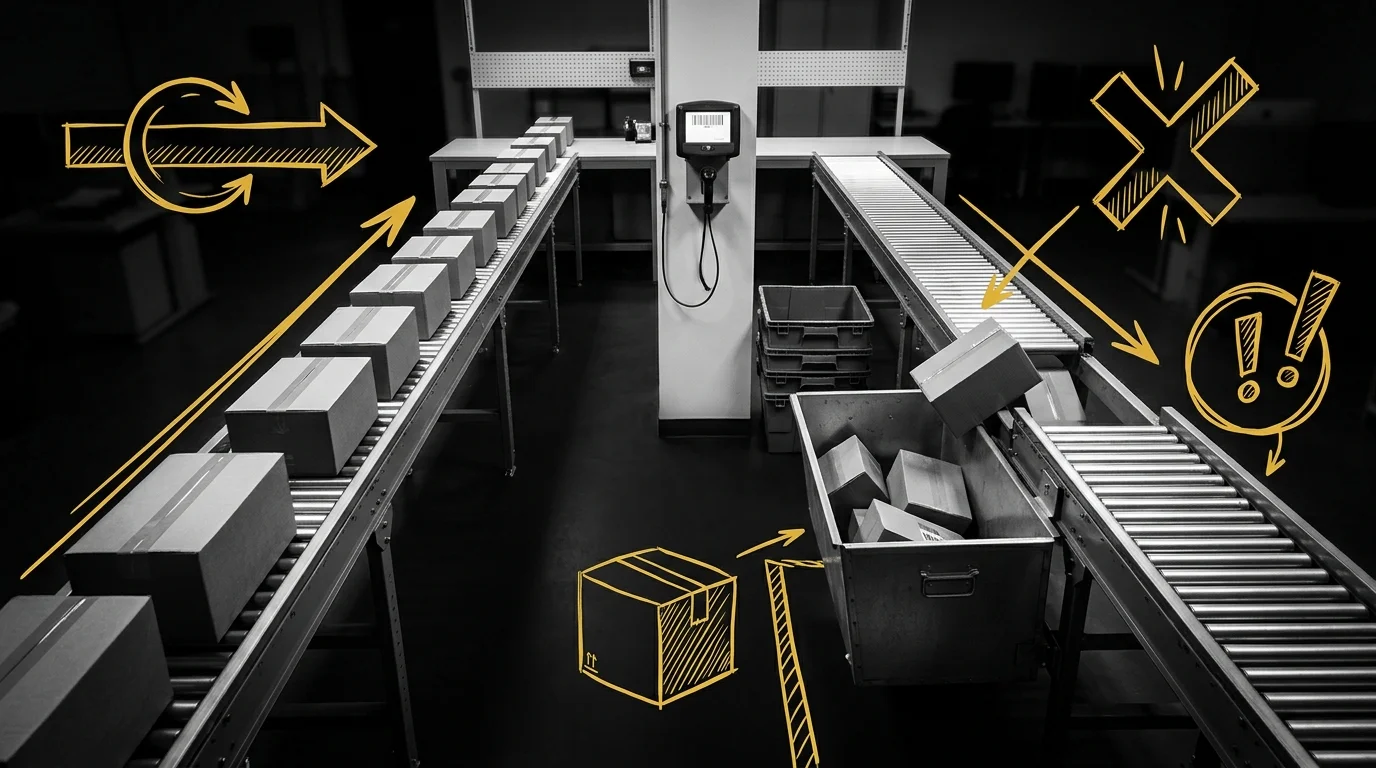
So why does the hop from social to Amazon matter so much? Because the real question was never which platform is better. It’s which tool can carry a shopper from an outside click to an Amazon order and still show you what happened.
The Point in the Pipeline Where Shoppers Disappear
Here’s where the pipeline breaks: the second a shopper leaves a social platform for an Amazon listing. The social platform’s reporting stops at its own click, and Amazon only counts the clicks that were tagged. Anything in between, like a shopper who saw the ad, left, and searched your brand on Amazon a week later, falls through.
Where That Breakdown Shows Up in the Numbers
That broken chain doesn’t just create a measurement headache. It shows up as specific, visible distortions in the attribution and conversion data a brand reviews every week.
| Traffic Source | Attribution Visibility | Primary Limitation |
|---|---|---|
| Amazon display (DSP or Sponsored Display) | Impressions, clicks and Amazon sales sit in Amazon’s own reporting | Sales still need a lift test to prove the ad caused them |
| External social ads | Partial visibility, limited to tagged clicks Amazon Attribution can trace | Can’t show what the spend did to total Amazon sales |
Building an Upper-Funnel Media Plan Around TACoS Instead of Channel Preference
So the two tools fail in different places, for different reasons. That split only matters once a brand commits to sequencing budget by what TACoS can actually measure, not by channel preference.
| Planning Stage | Primary Action | TACoS Signal to Watch |
|---|---|---|
| Catalog Readiness Check | Resolve buy box gaps, thin content, and account health issues before any upper-funnel spend goes live | Not applicable yet — this stage exists to prevent a false TACoS increase once spend starts |
| On-Platform Demand Creation | Direct new-to-brand budget toward Amazon DSP and Sponsored Display, where ad and sale sit in the same reports | TACoS holding flat or dipping slightly as new-to-brand reach grows |
| Off-Platform Demand Testing | Run a bounded test of external social ads against the same catalog, tagged through Amazon Attribution wherever a link leaves the platform | TACoS over the following cycle, not just the tagged conversions |
| Reallocation by Account Signal | Shift budget toward whichever channel’s spend shows up as account-level revenue growth | Account revenue that rises while the channel runs and slips back when it pauses |
| Ongoing Discipline Review | Re-check listing integrity, buy box ownership, and attribution tagging every cycle so the catalog keeps pace with demand being created | TACoS trending downward over successive cycles as total account revenue grows faster than total spend |
Sequencing Catalog Readiness Before Upper-Funnel Spend Begins
Here’s the sequencing problem most plans skip. Upper-funnel spend only produces a traceable TACoS signal once the catalog underneath it can hold the demand that spend creates.
A listing with thin content, gaps in buy box ownership, or unresolved account health issues will absorb new-to-brand attention and convert it poorly. That failure shows up as a TACoS increase with no revenue to justify it, and it gets blamed on the ad platform instead of the catalog that wasn’t ready.
Reading TACoS Across a Reporting Cycle Instead of a Single Campaign
Read TACoS across a full reporting cycle, not one week, and judge the account rather than one campaign.
Run one channel at a time so a change in TACoS can be pinned to that channel.
Here’s a made-up example. A brand’s TACoS sits at 12 percent before any upper-funnel spend. It runs Amazon display for one full cycle. Total ad spend rises, total sales rise faster, and TACoS settles at 11 percent.
Then switch. Pause display for the next cycle and run a bounded social test instead. If TACoS drifts back up while total sales slip, the social test isn’t carrying what display carried.
If total sales hold, social earned a bigger share of the next budget. The numbers here are made up; your own baseline sets the real ones.
Frequently Asked Questions
So the sequencing raises hard mechanical questions the moment a brand tries to run it. These are the ones that come up most.
How do I measure the true ROI of Facebook ads that send traffic to my Amazon listings?
Tag every link with Amazon Attribution before launch, then compare total Amazon sales during the campaign with the weeks before it.
Is Amazon DSP or Sponsored Display better for a top-of-funnel brand awareness campaign?
Start with Sponsored Display if you want to test display on a smaller scale, with narrower audience options. Move to DSP when you need wider programmatic reach and more audience control, including placements such as connected TV.
Can I use Amazon’s audience data to run display ads on other websites and apps?
Yes, through Amazon DSP. DSP runs programmatic display inside and outside Amazon’s ecosystem, including the open web, so Amazon audiences can be reached on other sites and apps.
Why is my ACoS high on upper-funnel DSP campaigns even when my total Amazon sales are growing?
A worse ACoS on an upper-funnel campaign is expected, not a warning sign. New-to-brand shoppers convert later, often through a different path, so the campaign that created the growth looks inefficient when judged on its own clicks.
What is the biggest risk of sending paid social media traffic directly to an Amazon product page?
Spending on a test too big to undo before you know it worked. Keep social tests small and bounded until your tracking can show the effect on total sales.
Where the TACoS Lens Leaves the Upper-Funnel Decision
Our view: start upper-funnel spend on Amazon, where the ad and the sale show up in the same reports, and test social second with tagged links. Plant the seed where you can watch it grow.
So the next budget cycle should follow the growth a brand can actually trace, and TACoS is the number that shows whether that growth is real.
For how DSP fits into a full program, see Amazon DSP management. For a read on where your own account stands, start with a free Amazon audit.
Results vary by brand, category, and investment level.